
Specialist service
Heritage & Conversation architects in London
A RIBA chartered practice based in Dulwich, working on listed buildings, conservation areas, green belt sites and Dulwich Estate properties. A sensitive, considered approach to complex planning.
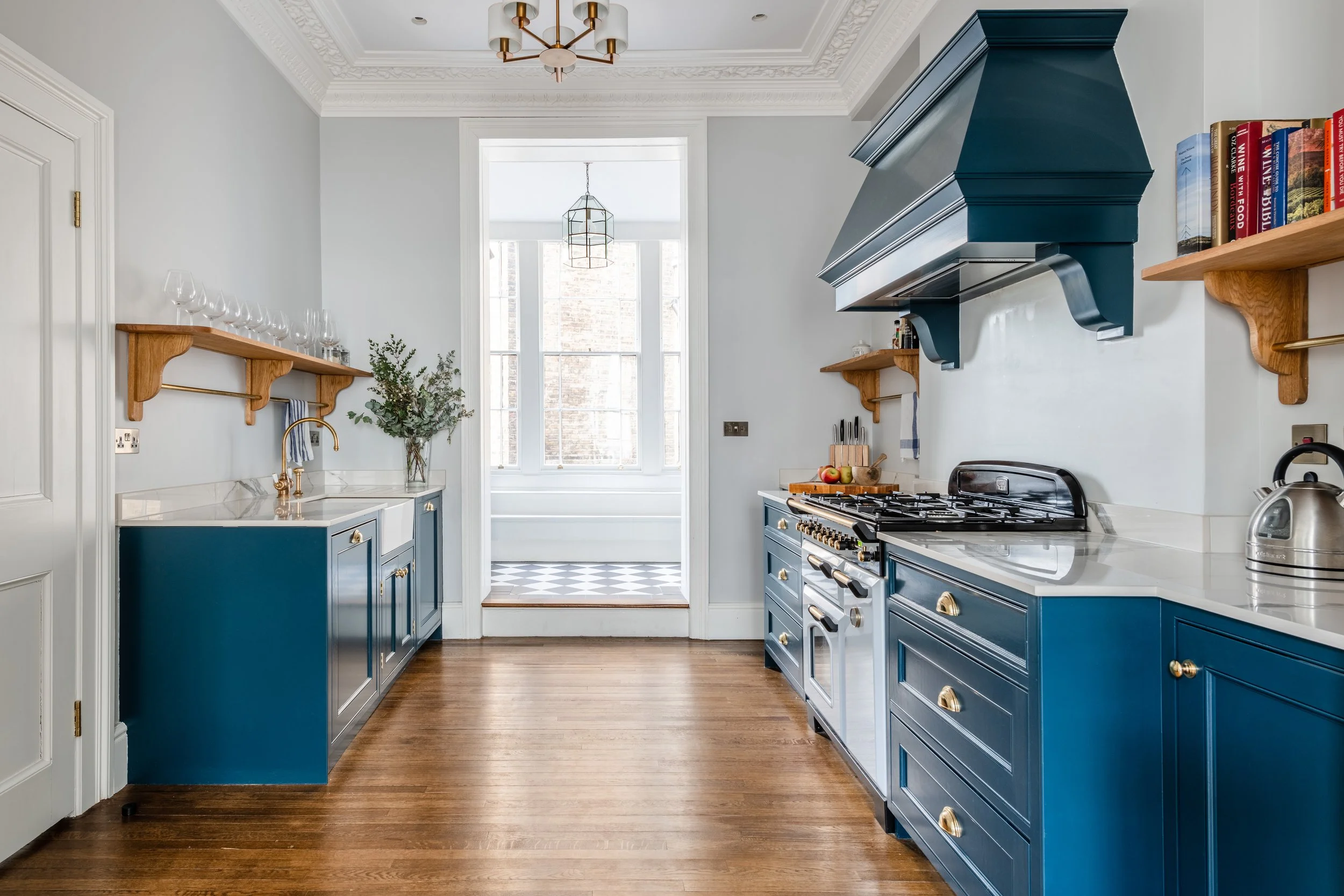
Complex constraints, carefully handled
Listed building consent, conservation area applications and green belt cases depend on understanding what gives a building or place its significance, and designing in a way that respects it while still meeting the brief.
We work regularly on listed buildings, in conservation areas, on green belt sites and within the Dulwich Estate's Scheme of Management. This involves preparing heritage statements and design and access statements, engaging conservation officers early, and setting out the justification for a scheme alongside the drawings.
Listed buildings
Consent as well as permission
Alterations to listed buildings need listed building consent alongside planning permission, and that includes internal work that would not otherwise be controlled. We prepare the heritage material and manage the process.
Conservation areas and the Dulwich Estate
Designing in protected settings
Conservation area status restricts permitted development and tightens control over materials and frontages. Dulwich Estate properties add a separate Scheme of Management consent on top of planning.
Green belt and Grade II assets
Working within established limits
Green belt policy sets clear limits on extensions and replacement dwellings, and Grade II listed assets require justification for change. We establish the baseline early so the brief is realistic.
How it works
A considered route through a complex process
1. Free consultation and feasibility
We look at the building and its designations, whether listed, in a conservation area, green belt or within the Dulwich Estate, and give an honest view of what is realistic.
No fee, no obligation
2. Significance and design
We establish and seek to understand what gives the building or setting its significance, approaching the design process in a considered and sympathetic manner while developing the brief with you. Where appropriate we will engage with the conservation officer through the pre-application process at the earliest opportunity.
The most important stage on heritage work
3. Consents
Listed building consent, conservation-area or Estate consent alongside planning permission as required, with detailed heritage reports and supplementary design and access statements.
Often runs longer than standard applications
4. Technical design and delivery
We prepare the technical package and stay involved through construction, working with the builder to approve the detailing and ensure the historic fabric is protected.
Scheme dependent
Selected work
Recent heritage & conservation projects
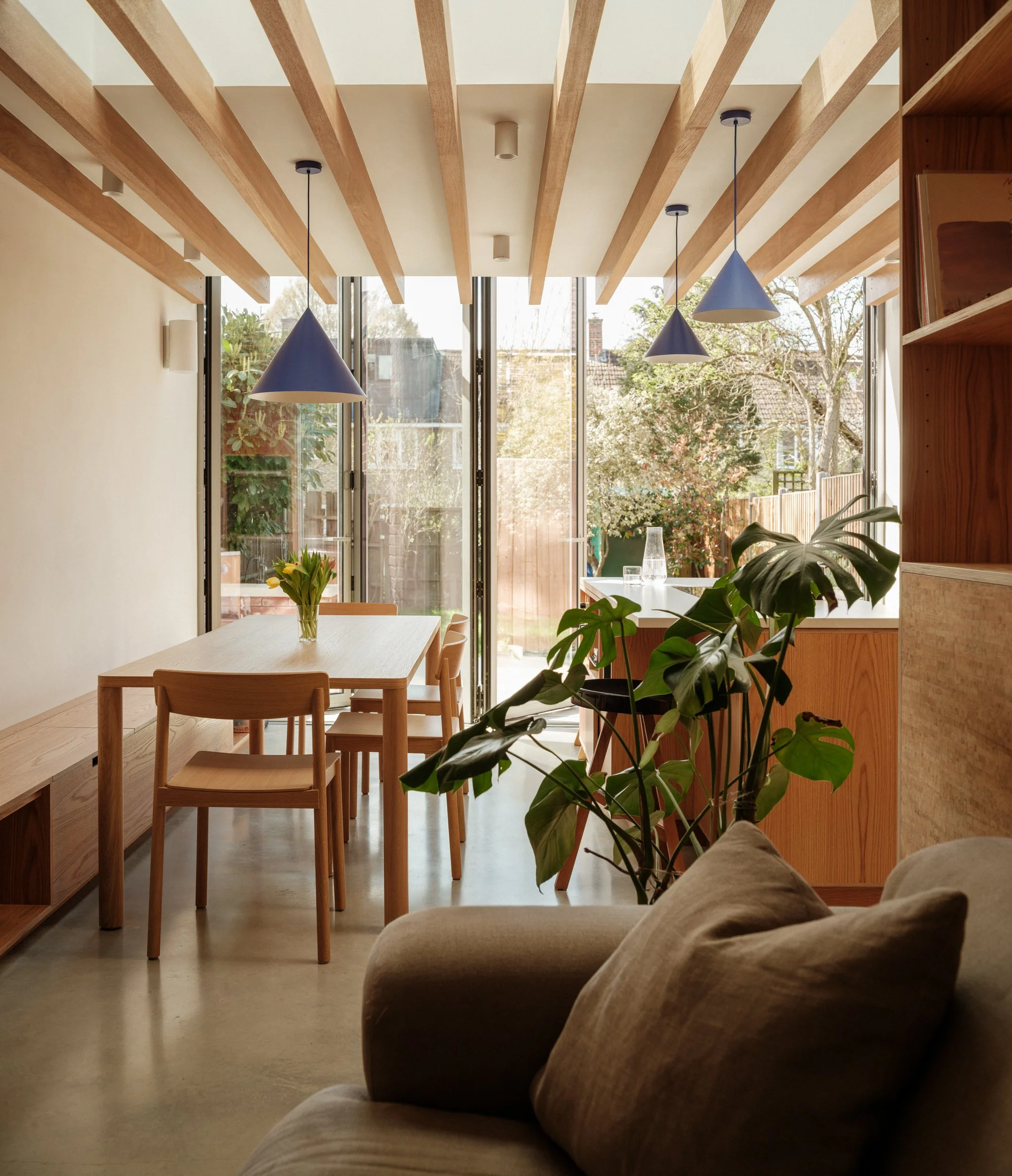
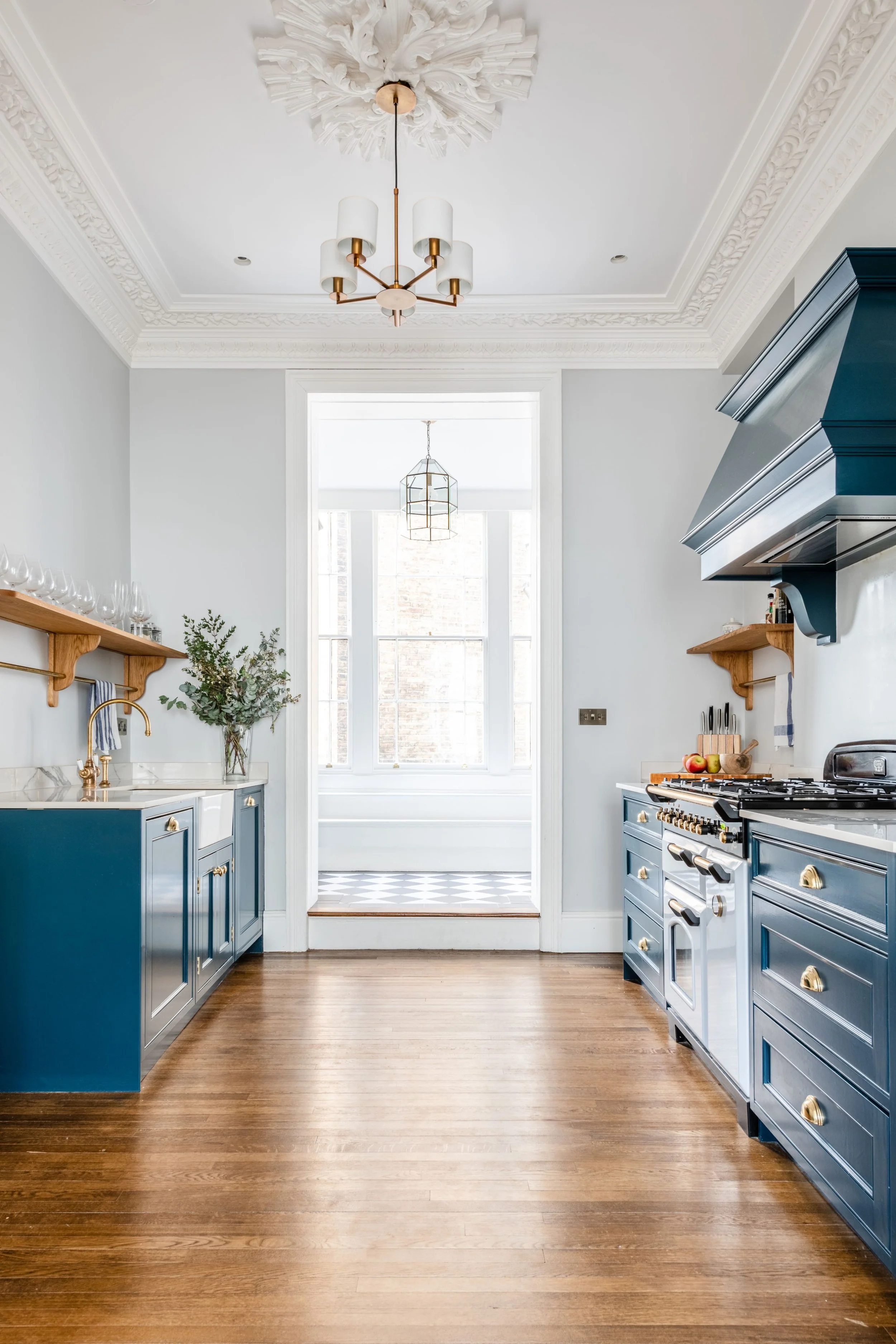
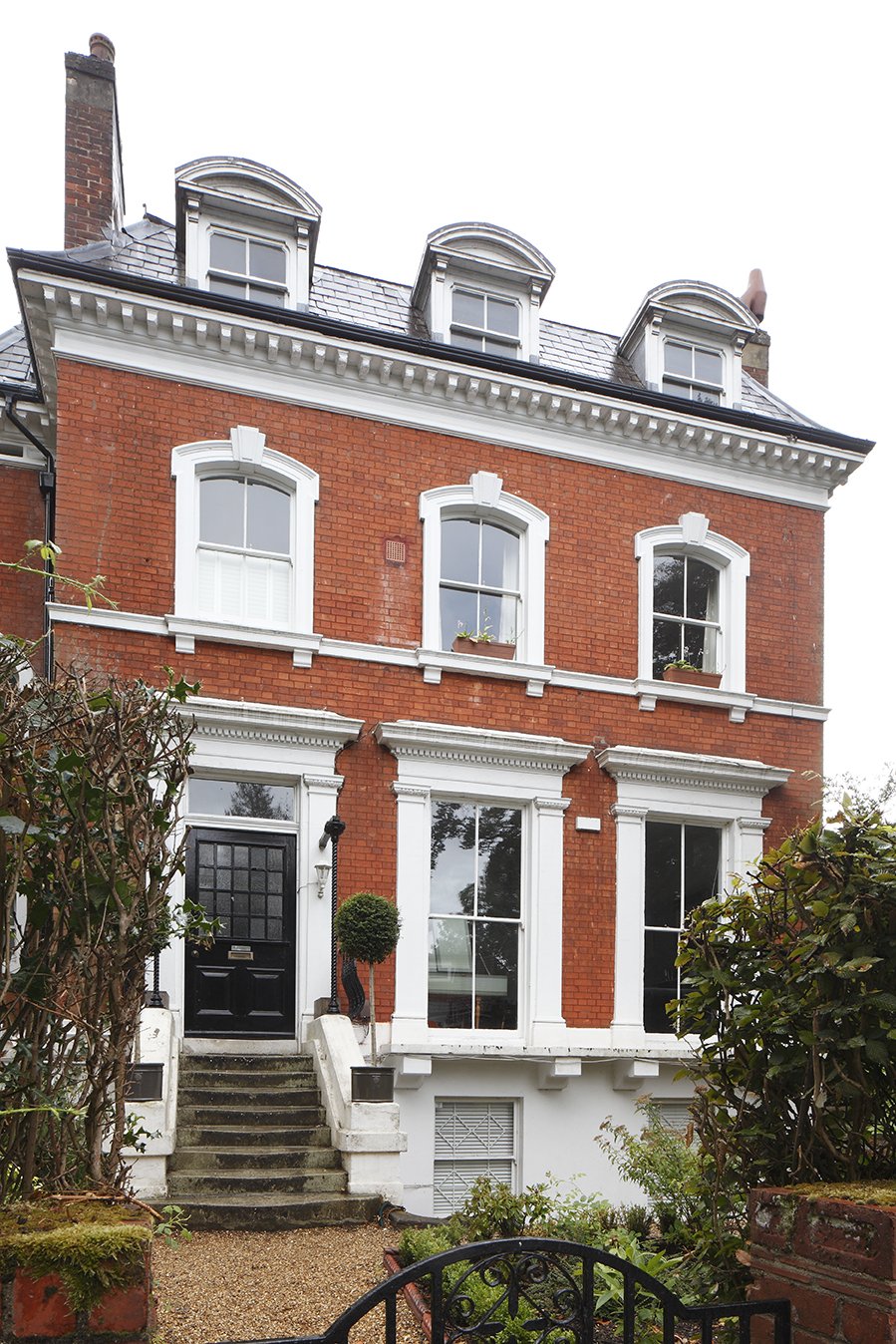
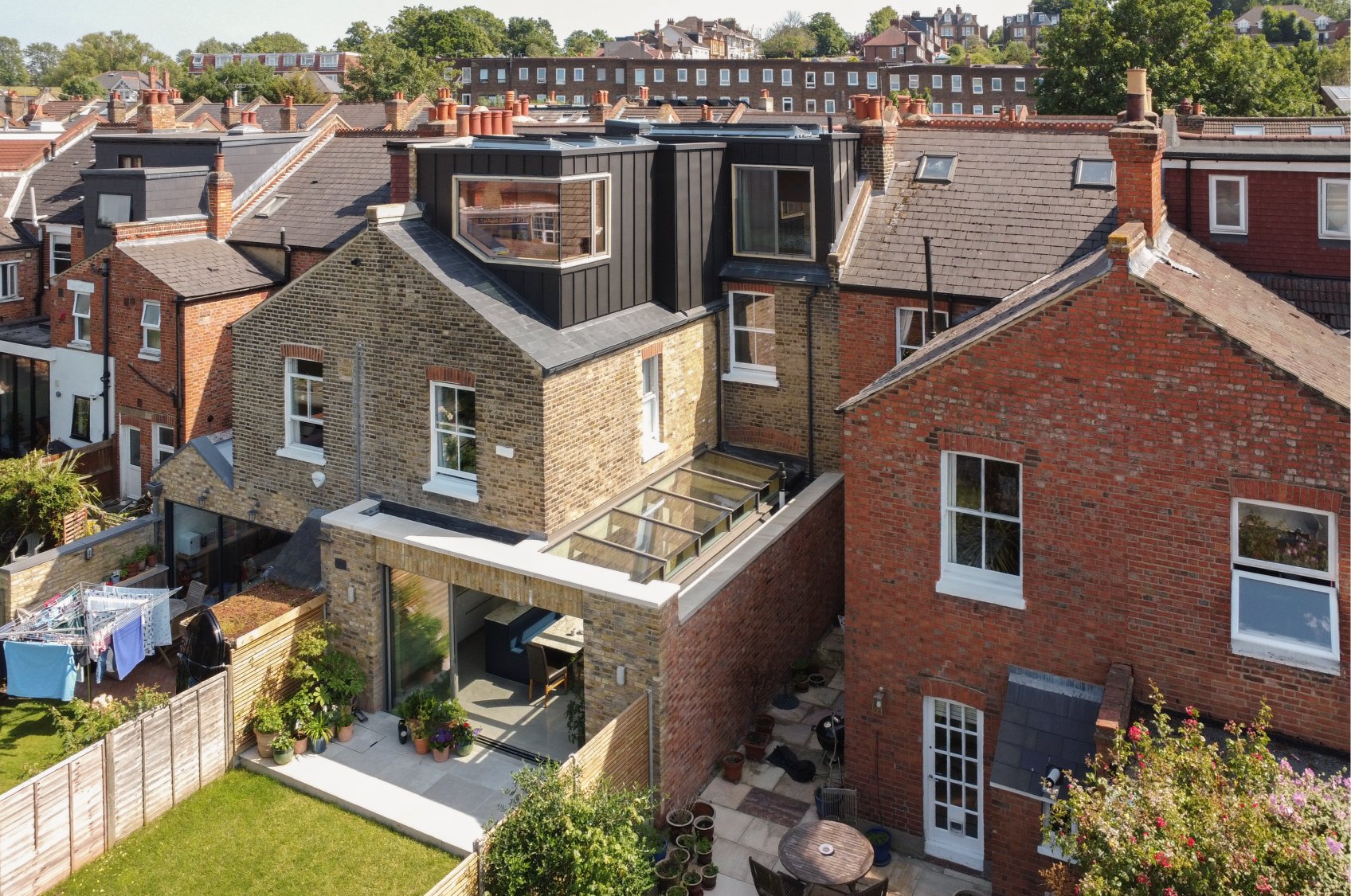
A sample of completed schemes. We show work closest to your project at the consultation.
The practice
A studio in Dulwich, working across London.
Founded in 2016 by Kristian Marjoram, the studio brings together architects, designers and architectural technicians on residential, mixed-use, commercial and community schemes. We are RIBA chartered and ARB registered, with project experience from £100k to £100m.
Kristian Marjoram, Director, Architect · RIBA ARB
Slawomir Turek, Associate, Architect · ARB MArch
Ben Matthews, Architectural Technician · CIAT
Unit F16, Parkhall Business Centre, 40 Martell Road, London SE21 8EN

Common questions
Heritage and conservation, answered
-
It is a separate consent required for works affecting the character of a listed building, including many internal alterations that would not need planning permission in an unlisted property. It is needed alongside, not instead of, planning permission where both apply.
-
Often yes, but the scheme has to be justified in terms of the building's significance. Successful extensions are generally those that read as new work, sit subordinate to the original building, and avoid loss of historic fabric. We test the principle with the conservation officer early.
-
It sets out the significance of the building and its setting, and explains how the proposals respond to it. On listed building and conservation area applications it forms the basis of the assessment, alongside the drawings.
-
It is a separate consent regime covering properties within the Dulwich Estate. External alterations need the Estate's approval in addition to planning permission from the local authority, assessed against its own criteria on materials, detailing and boundaries. Our studio is in Dulwich, so we work within this regime regularly.
-
Usually within limits. Green belt policy tests extensions and replacement dwellings against the scale of the original building, and disproportionate additions are generally refused. A workable scheme is often achievable, provided it is designed around the policy from the start.
-
Yes. Every project starts with a free initial consultation where we look at the building and its designations and give you an honest view of what is realistic before you commit to anything.
Start your loft conversion
Book a free initial consultation.
Tell us about your home and what you would like the loft to do. We come back within one working day to arrange a time that suits you.
More from the studio
Related services
Loft conversions
House extensions
Basement conversions
Whole-house refurbishment
New-build homes
Architects in your borough